Hilton highlights the success of Zemí Miches while looking towards Las Terrenas
The Dominican Republic has become a strategic tourism hub for Hilton. Here, the American hotel chain has more than a third of its rooms currently in the design and construction phase across the Caribbean region, with 11 future projects on the agenda that will increase the brand’s room inventory from 1,400 to 2,000.
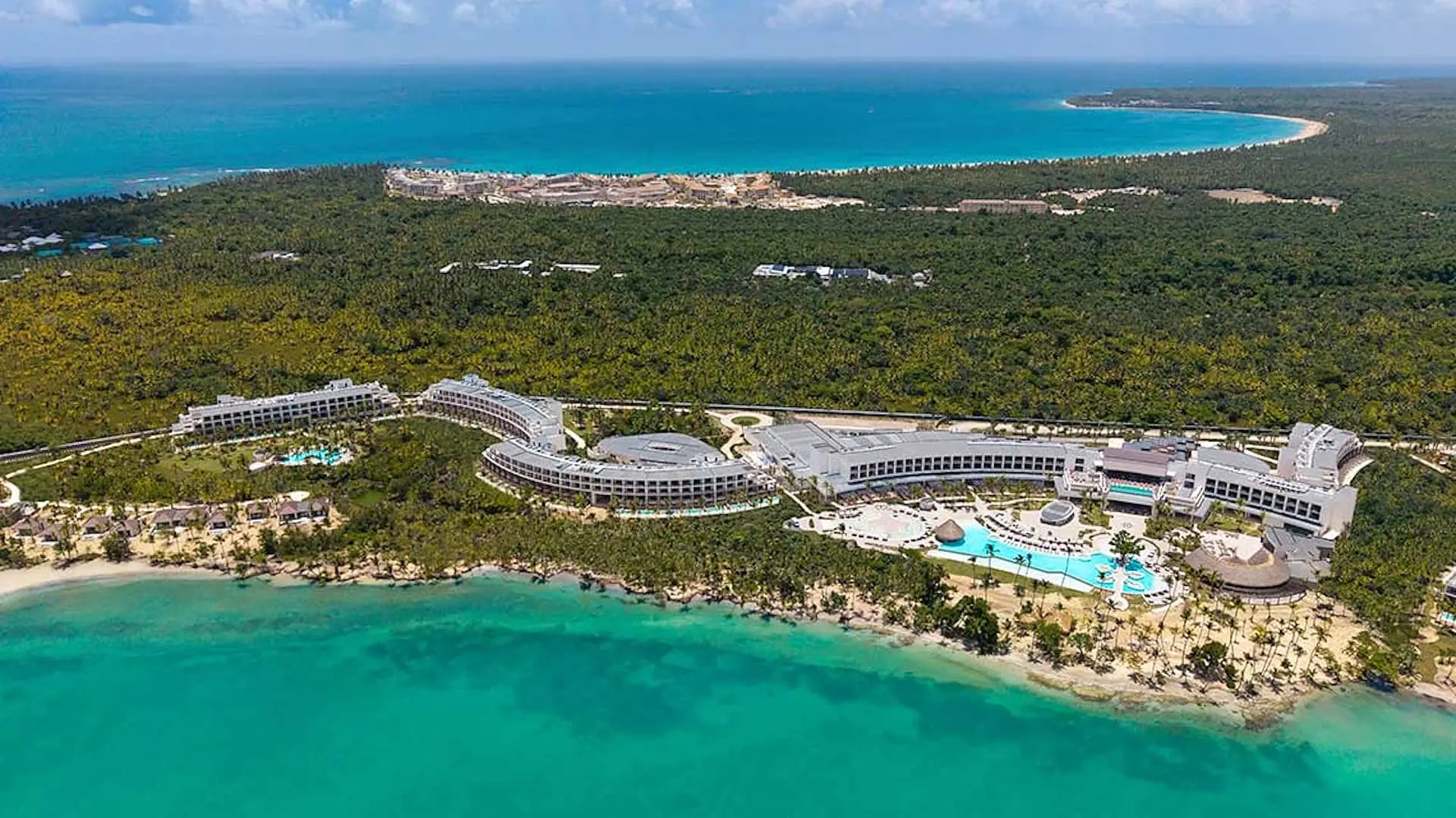
With an increasingly focused approach to developing offerings linked to luxury and wellness tourism, Hilton developed its first all-inclusive resort under its Curio Collection brand in the country: the Zemí Miches All-Inclusive Resort.
Five months after its opening, the hotel has contributed to a surge in hotel occupancy rates, reaching up to 94% as of February of this year, according to the Ministry of Tourism.
“Miches is a new destination in the Dominican Republic, and we are truly proud of this hotel,” stated Pablo Maturana, Hilton’s Vice President of Development for Latin America and the Caribbean.
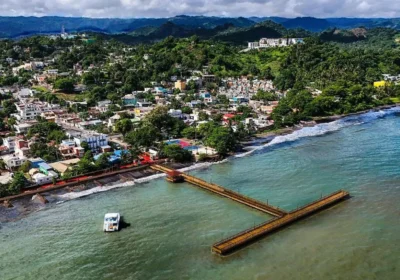
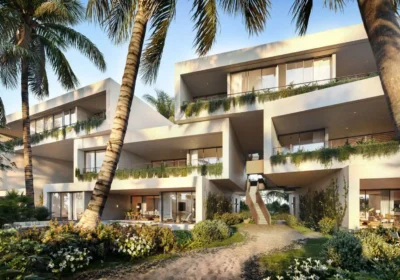
The executive expressed the brand’s interest in continuing to expand its presence on the east coast, while also investing in other destinations in the long term, such as Las Terrenas—where they have a branded residences project—and Puerto Plata—where they are evaluating investment opportunities.
The Success of Zemí Miches
For Maturana, Zemí Miches All-Inclusive Resorts has achieved its goal: to position itself above most other hotel offerings in the Dominican Republic thanks to its design integrated with the natural environment and the Taíno culture, reflected in its concept, its culinary offerings, and the intimacy provided by each space.
“It’s designed to be a hotel that stands out not only for its location and pristine beaches, but also for its architectural and physical design elements, as well as its operations, so that guests can experience Dominican culture, which, in one way or another, must be showcased to the world,” he emphasized.
With 500 luxury rooms, beachfront bungalows, a restaurant called Toa that recreates Taíno cuisine, and Acana, a 1,600-square-meter spa incorporating larimar stones and oils like moringa into its treatments, this all-inclusive resort has quickly become a hit with visitors, Maturana affirmed.
The executive also praised the support of local consultants and chefs who helped to incorporate Taíno culture into the hotel’s design decisions, a culture that “had been lost in one way or another” in the country.
Source: Diario Libre